
How do you coach someone when every client brings a completely different challenge?

The profession has changed faster than most training programs
Clients no longer arrive with tidy problems. They bring workplace dynamics that shift mid-conversation, personal goals tangled with organizational pressure, and expectations shaped by whatever they last read online. The frameworks you learned in certification feel distant when someone asks you to help them navigate something you have never encountered yourself.
This platform was built by people who spent years working with clients in exactly those situations. Not theorists. Not academics writing about coaching from a distance. People who had to figure out how to help a client on Tuesday when Monday's approach did not work.
Results come from pattern recognition, not perfect scripts
You cannot memorize your way through a coaching conversation. But you can learn to recognize what is happening beneath the surface, adjust in real time, and choose interventions that match the actual moment instead of the one you prepared for.
Live case analysis
Every session includes a real client scenario brought by someone in the group. You watch how different coaches would approach it, hear why certain questions land and others do not, and practice making decisions under the same uncertainty you will face in your own work.
Adaptive questioning practice
Most training teaches you what to ask. We focus on how to listen for what the client is not saying, then build questions that open space instead of closing it. You practice this in small groups where feedback is immediate and specific.
Individual skill refinement
Group sessions expose you to range. Private sessions let you work on the specific edge you are trying to develop, whether that is managing silence, navigating resistance, or holding space when a client is processing something difficult.
Built by people who have sat across from the client you are about to meet
The instructors here did not start as educators. They started as practitioners who had to figure out how to help people when the textbook answer did not fit. They have worked with executives who needed to rebuild trust after a public failure, with new managers trying to lead people twice their age, with individuals navigating career transitions that had no clear path.
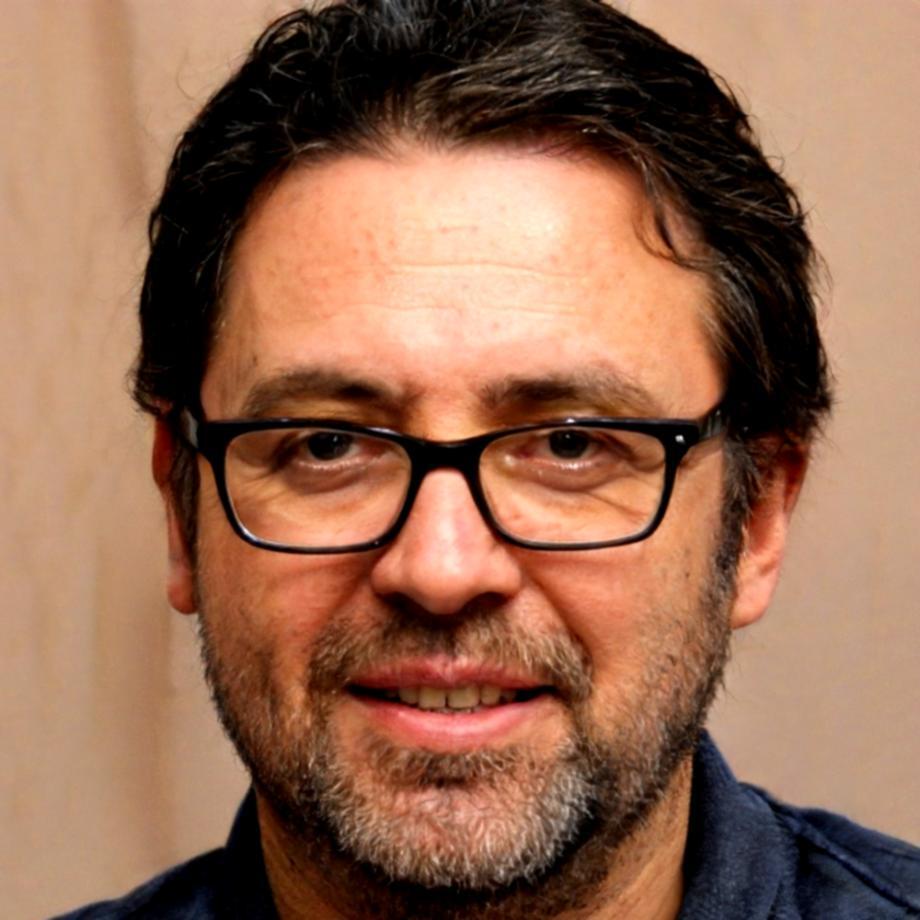
Callum Thorne
Callum spent eleven years coaching leaders in organizations going through restructuring, merger, and crisis. He developed the adaptive questioning framework after realizing that his most effective sessions were the ones where he abandoned his plan halfway through. He now teaches coaches how to stay present when the conversation goes somewhere unexpected.
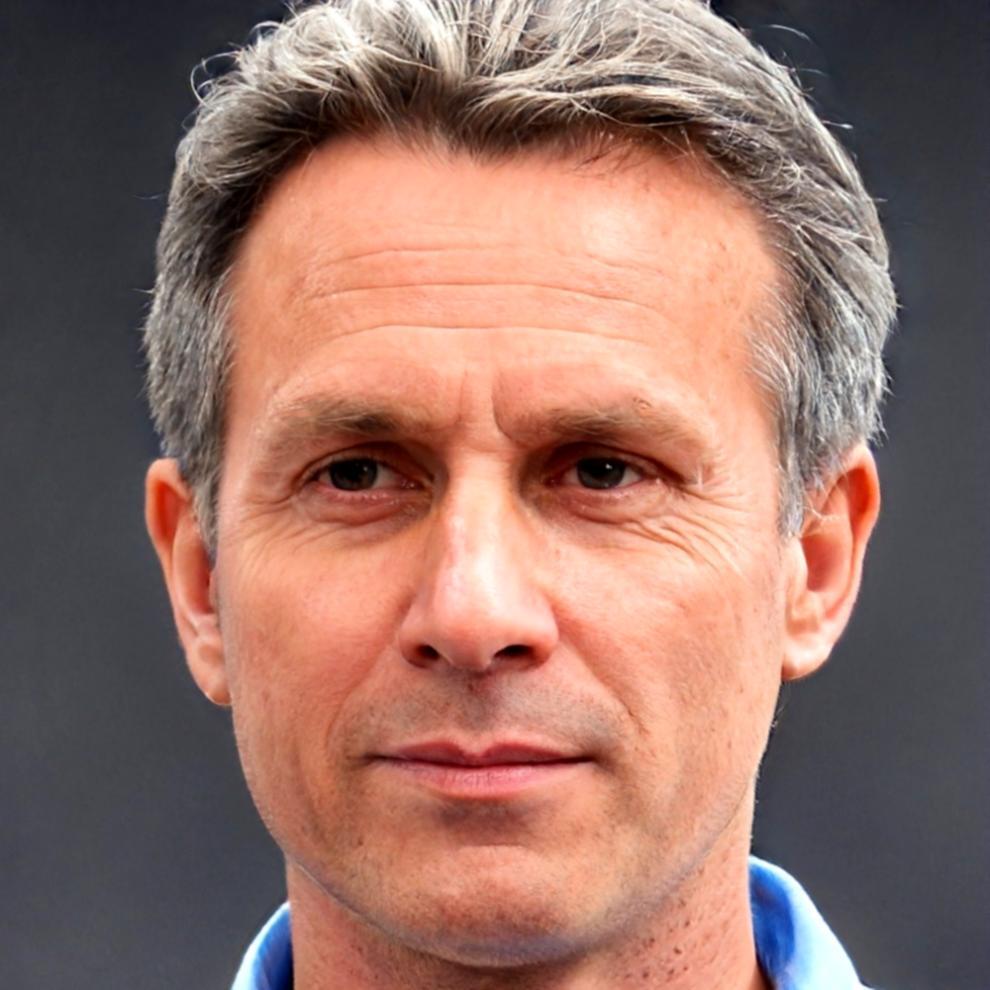
Ewan Sinclair
Ewan built his practice working with individuals who were stuck, not because they lacked options, but because every option felt wrong. He specializes in helping coaches recognize when a client is processing identity change, not just making a decision. His sessions focus on holding space without rushing toward resolution.
What happens here that does not happen in certification programs?
Most training teaches you a model, then sends you out to apply it. This platform assumes you already know a model. What you need is practice navigating the gap between what the model says and what the client in front of you actually needs.
Theory first, practice later
You learn frameworks in a classroom, then figure out how to use them once you have clients. The assumption is that understanding the model is enough. The gap between knowing what to do and being able to do it in the moment is left for you to bridge on your own.
Practice under realistic conditions
You work with real scenarios from the first session. You practice making decisions when you do not have all the information, adjusting when your first approach does not land, and staying grounded when a client brings something you were not prepared for. The learning happens in the same conditions you will face in your practice.
What changed for people who went through this
These are not testimonials written to sound impressive. They are descriptions of what actually shifted in how people work with clients.
I used to panic when a client went quiet. I would fill the silence with another question or try to redirect. Now I can sit in it and let them process. That shift alone changed the depth of my sessions.
The live case sessions showed me how many ways there are to approach the same situation. I stopped looking for the right answer and started paying attention to what the client was actually responding to. My sessions feel more like conversations now, less like interviews.
I had been coaching for three years but still felt like I was guessing half the time. The individual sessions helped me see patterns I was missing, things I was doing that shut down exploration without realizing it. I trust my instincts more now because I understand what I am actually sensing.
The hardest part of coaching for me was not knowing if I was helping or just having interesting conversations. The feedback here was specific enough that I could see what was working and what was not. I stopped second-guessing myself after every session.
This is for you if you recognize yourself here
Not everyone needs what this platform offers. Some people are looking for credentials. Some want a formula they can follow. This is built for a specific kind of learner.
You will find value here if
- You already have coaching training but feel the gap between what you learned and what clients actually need
- You want to practice under realistic conditions, not just study theory
- You are willing to bring your actual challenges into the group and work on them openly
- You recognize that becoming a better coach means changing how you listen, not just what you ask
- You want feedback that is specific enough to act on, not just encouragement
This is not the right fit if
- You are looking for a certification program or credential to add to your profile
- You want a step-by-step system that works the same way with every client
- You prefer learning alone rather than in a group where others see your work
- You are not yet working with clients and want foundational training first
- You expect immediate results without sustained practice over several months